
Lessons From the Road
What Hospitality Can Teach Every B2B Brand
The world's best customer experiences don't happen by accident - and neither do the best business events.
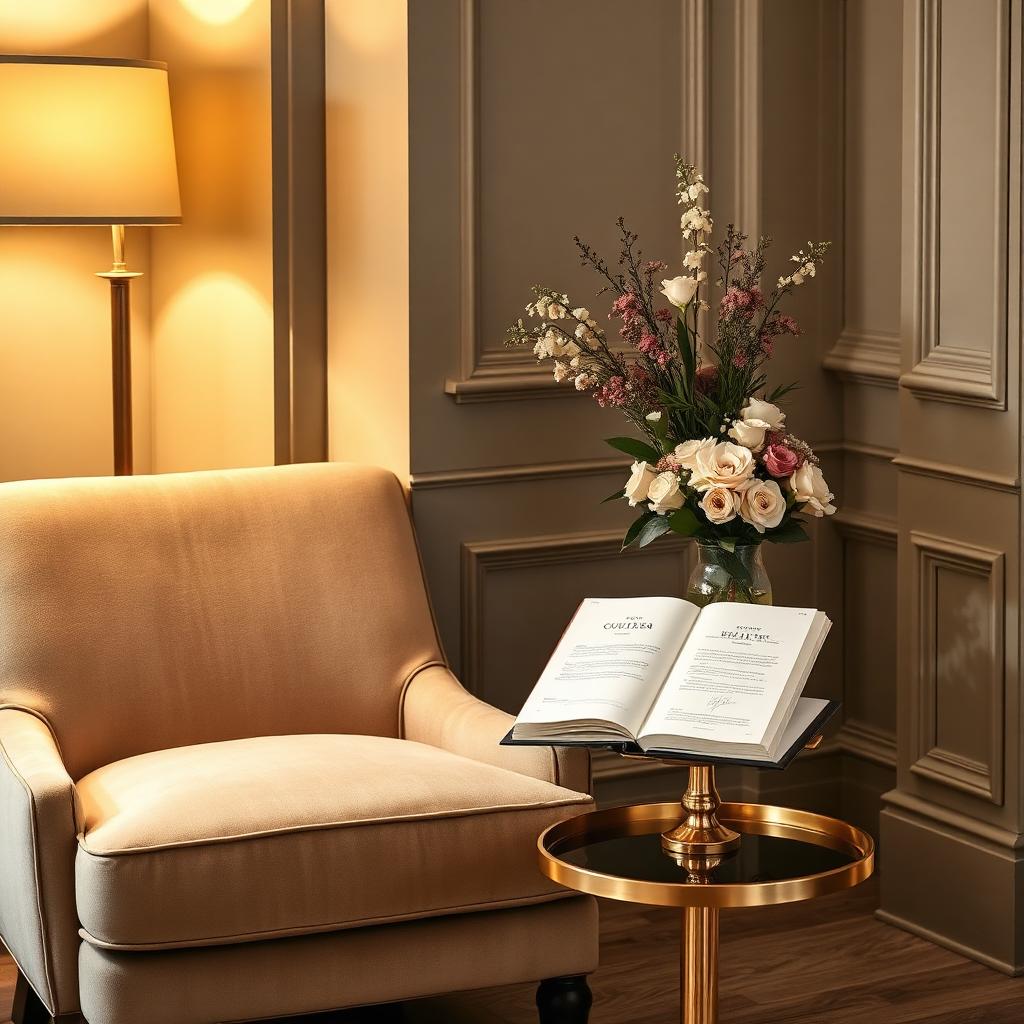
One of the greatest leadership lessons I've ever learned didn't come from a conference. It didn't come from an executive meeting. It didn't come from a marketing book.
It came from checking into hotels around the world.
For years, I've traveled extensively - both professionally and personally. I've stayed in luxury resorts, boutique hotels, business properties, airport hotels, and family-run inns in countries where I didn't speak the language. Over time, I started paying attention to something that had nothing to do with thread counts or room service menus. I noticed how great hospitality makes people feel.
Not because everything is expensive. Because everything feels intentional. Someone anticipated your needs before you asked. A process removed friction instead of creating it. A team member made you feel genuinely welcome. A small detail communicated that someone had thought about your experience.
The best hospitality organizations don't simply provide a service. They create confidence. And that's exactly what every B2B brand should be trying to do.
Hospitality Is About Reducing Uncertainty
Think about the best hotel you've ever stayed in. Chances are, what made it memorable wasn't the building itself. It was how effortless everything felt. You knew where to go. Questions were answered before you asked them. Staff seemed prepared. Problems disappeared quickly. You never felt like an inconvenience. That's hospitality.
Now think about the average business conference. How many attendees spend their first hour wondering where registration is? Searching for the right room? Trying to understand the agenda? Looking for Wi-Fi? Waiting in long lines? Feeling unsure where they belong? Every one of those moments creates friction.
Hospitality removes friction. Great events should do the same.
People Remember How You Made Them Feel
There's a quote often attributed to Maya Angelou that has always resonated with me: "People will forget what you said, people will forget what you did, but people will never forget how you made them feel."
Years after an event ends, attendees rarely remember every breakout session. They won't remember every menu item. Most won't remember the exact opening keynote. But they'll remember how welcomed they felt. Whether someone introduced them to other attendees. Whether executives were approachable. Whether the environment felt inclusive. Whether your organization genuinely cared about their experience.
Feelings become memories. Memories become reputation. Reputation becomes brand.
Hospitality Begins Long Before Check-In
One mistake organizations make is believing hospitality starts onsite. It doesn't. It starts with the first invitation.
- Is registration simple?
- Are confirmation emails helpful?
- Do attendees understand what to expect?
- Is travel information clear?
- Are dietary requests acknowledged?
- Can people easily find answers?
Every interaction shapes expectations. By the time attendees arrive, they've already formed opinions about your organization. Those impressions aren't created by keynote speakers. They're created through dozens of seemingly small interactions.
Hospitality isn't an event-day responsibility. It's an experience strategy.
Anticipation Is the Highest Form of Service
One of the things exceptional hotels do remarkably well is anticipating needs. They answer questions before guests ask them. They notice patterns. They remove obstacles. They create confidence.
Great event leaders do exactly the same thing. Before attendees wonder where breakfast is, signage guides them. Before speakers become anxious, someone checks in. Before executives arrive, their schedules are confirmed. Before networking feels awkward, introductions are made naturally.
The best experiences rarely feel impressive because they're extravagant. They feel impressive because they feel effortless. Effortless experiences require extraordinary preparation.
Every Employee Represents Your Brand
Hospitality organizations understand something many companies overlook. Every interaction matters. The concierge. The valet. The restaurant server. The housekeeper. The front desk associate. Each contributes to the guest experience.
Business events are no different. Registration staff. Volunteers. Production crews. Security. Catering teams. Executive assistants. Sponsors. Agency partners. Every person attendees encounter becomes part of your brand.
That's why culture matters so much. People don't experience organizational charts. They experience people.
Luxury Isn't the Goal
One of the biggest misconceptions about hospitality is that it requires luxury. It doesn't. I've stayed in modest hotels where the service exceeded five-star resorts. I've attended conferences with limited budgets that created extraordinary experiences. I've also experienced expensive events that felt surprisingly impersonal.
Hospitality isn't measured by chandeliers. It's measured by intentionality. A handwritten welcome note. A staff member remembering someone's name. A thoughtfully designed quiet space. An executive who stays after a session to continue conversations.
None of those require enormous budgets. They require attention.
Design for the Human Experience
Organizations spend enormous amounts of time designing agendas. Far less time designing emotions. How should attendees feel when they arrive? Confident? Inspired? Relaxed? Curious? Connected? Valued? Those feelings don't happen automatically. They're designed.
Think about walking into a hotel lobby. Lighting. Music. Scent. Furniture. Staff positioning. Every element has been considered. Business events deserve the same level of intentionality.
Experience design isn't simply about stages and branding. It's about psychology.
Small Moments Create Big Impressions
One of my favorite observations while traveling is watching how exceptional hospitality organizations obsess over tiny details. Fresh flowers. Perfectly folded towels. Warm greetings. A local recommendation. Fresh cookies at check-in. None of those moments dramatically change the cost of the stay. Yet collectively they transform the experience.
Business events work exactly the same way. A thoughtful welcome. A speaker personally greeting attendees afterward. A charging station exactly where people need it. Water available before someone realizes they're thirsty. Clear signage. Comfortable seating. Meaningful introductions.
Small moments communicate care. Care builds trust. Trust builds relationships.
Hospitality Is Really About Empathy
At its core, hospitality isn't about service. It's about empathy. Seeing the experience from someone else's perspective.
- What would make travel easier?
- What might first-time attendees worry about?
- How does an introvert experience networking?
- What challenges might international travelers face?
- How will someone with accessibility needs navigate the venue?
Empathy changes design. The best event leaders aren't simply organized. They're observant. They notice what others overlook.
My Travels Changed the Way I Lead
Solo travel has profoundly influenced the way I think about experiences. When you travel alone, you're more aware of your surroundings. You notice signage. Neighborhoods. Transportation. Safety. Hospitality. You become incredibly sensitive to moments where you feel welcomed - or invisible.
Those experiences have made me a better event leader. Because every attendee arrives with different expectations. Different anxieties. Different goals. Different definitions of success.
Hospitality means creating an environment where all of them feel like they belong. That's far more important than flawless logistics.
Hospitality Is a Competitive Advantage
Products become similar. Technology evolves quickly. Pricing changes. Competitors emerge. Experiences become one of the few meaningful differentiators organizations truly control.
Customers remember how companies made them feel. Partners remember how they were treated. Employees remember whether they felt valued. Hospitality isn't just a nice idea. It's a business strategy. Organizations that consistently create thoughtful, human experiences build stronger loyalty than those focused exclusively on transactions.
That's true in hotels. It's true in restaurants. And it's absolutely true in B2B.
This Is Why Hospitality Fits the S.A.S. Framework
Hospitality begins with Strategy. How should people experience your brand? What emotions should the experience create? What business relationships are you trying to strengthen?
It requires Alignment. Every employee, volunteer, executive, agency, and vendor contributes to the experience. Finally, it scales through intentional systems. Playbooks. Training. Communication. Continuous improvement.
Hospitality isn't random. It's repeatable - when organizations build it intentionally.
Every Company Is in the Hospitality Business
You don't have to own a hotel to practice hospitality. Or a restaurant. Or a resort. Every organization welcomes people. Customers. Prospects. Partners. Employees. Communities.
The question isn't whether you're creating experiences. It's whether you're creating them intentionally. The organizations people remember aren't always the ones with the biggest budgets. They're the ones that make people feel seen. Heard. Valued. Welcome.
That's the lesson hospitality has taught me through years of traveling the world. And it's one I believe every B2B brand should embrace.
Because at the end of the day, extraordinary business relationships are built exactly the same way extraordinary hospitality is. One thoughtful interaction at a time.
Continue Reading
More from Lessons From the Road.
Honest reflections on the strategy, people, and decisions behind extraordinary events.