
Lessons From the Road
What Solo Travel Has Taught Me About Leadership
The best leadership lessons I ever learned weren't in a boardroom. They were thousands of miles from home.
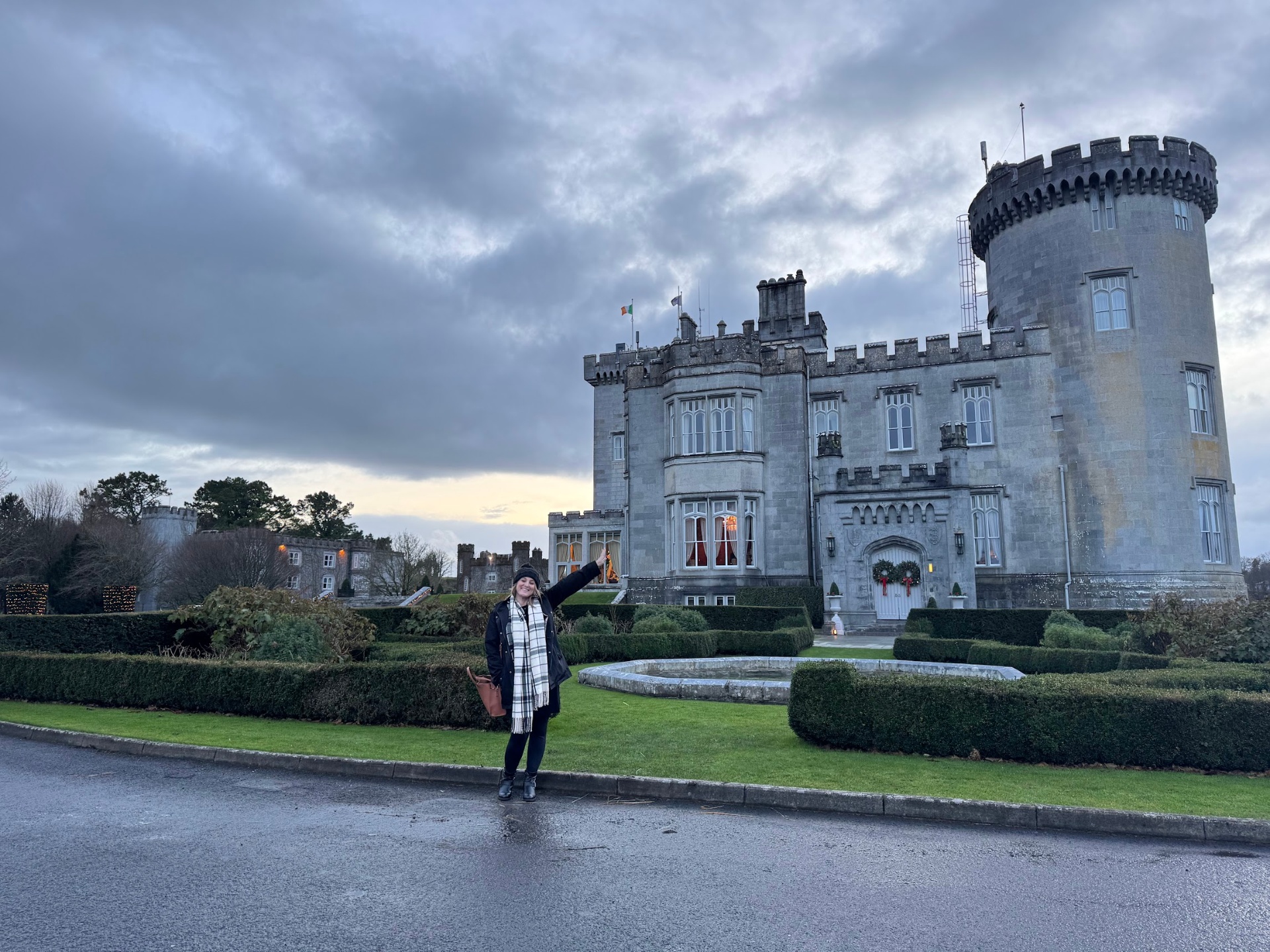
People often assume I've learned the most about leadership from nearly twenty years leading global conferences, executive experiences, and field marketing organizations. They're only partly right.
Some of the most important leadership lessons I've ever learned happened long before I stepped onto a keynote stage or walked into an executive boardroom. They happened while I was standing alone in the middle of a city where I didn't speak the language. With no one to ask. No one to follow. No agenda except the one I created for myself.
Long before I realized it, solo travel had become my greatest leadership teacher. Not because it taught me how to travel. Because it taught me how to lead.
I didn't understand that at first. Like many people, I started traveling because I wanted to see the world. The destinations were exciting. The adventure was addictive. The freedom was unlike anything I'd experienced before.
But somewhere between missed trains, unfamiliar streets, delayed flights, unexpected conversations, and quiet mornings drinking coffee in places I'd only dreamed about visiting, something else happened. I changed. Not dramatically. Gradually. Almost invisibly.
Every trip made me a little more comfortable with uncertainty. A little more curious. A little more observant. A little more confident making decisions without having every answer. Years later, I realized those same qualities had quietly become some of my greatest strengths as a leader.
Looking back, I don't think solo travel made me a better traveler. I think it made me a better executive.
Leadership Begins the Moment the Plan Falls Apart
There is a version of travel that exists on Instagram. Perfect sunsets. Beautiful cafés. Flawless itineraries. It looks effortless. Real travel rarely is.
Flights get canceled. Weather changes. You miss trains. Restaurants close. Maps are wrong. You get lost. If you've traveled alone enough, eventually something won't go according to plan. When it happens, there's no committee to consult. No one to make the decision for you. You simply take a breath, evaluate your options, and move forward.
That's leadership. I've discovered the exact same thing is true in event leadership. No conference has ever unfolded exactly according to plan. Speakers cancel. Technology fails. Weather changes. Budgets shift. Stakeholders change priorities. The leaders who thrive aren't the ones with perfect project plans. They're the ones who remain calm when the plan changes.
Confidence isn't believing nothing will go wrong. Confidence is trusting yourself to figure it out when it does.
That's a lesson no certification course ever taught me. Yet it's one I rely on every single week.
The World Is the Greatest Leadership Classroom
One of the things I love most about traveling alone is that it forces me to pay attention. When you're by yourself, you notice things you would otherwise miss. The rhythm of a neighborhood waking up. How locals greet one another. How a hotel welcomes its guests. How a city moves people through its streets. The small details that make a place feel inviting - or surprisingly frustrating.
You begin to realize that every experience has been designed. Sometimes intentionally. Sometimes accidentally. I can't turn that part of my brain off anymore. I'll walk into a boutique hotel and immediately notice how check-in flows. I'll visit a museum and pay attention to how guests naturally move through the exhibits. I'll sit in a café and watch how the staff creates an atmosphere that encourages people to stay just a little longer.
Most people would probably call that people watching. I call it research. Because every destination has something to teach us about experience design.
As event leaders, we often look to other conferences for inspiration. I think we should look beyond our industry. Some of the best ideas I've ever brought back to my work didn't come from another event. They came from a boutique hotel in Europe. A neighborhood market in Japan. A walking tour in Portugal. A train station in Switzerland. A small restaurant where every guest was greeted like a regular, even if it was their first visit.
Those moments reminded me that memorable experiences aren't usually created by grand gestures. They're created by hundreds of thoughtful decisions working together. That realization changed the way I approached events. Instead of asking, "How do we impress people?" I started asking, "How do we make people feel?"
People rarely remember every detail of an experience. They remember how it made them feel.
Welcome. Confident. Inspired. Included. Valued. Curious. The best destinations understand that. The best leaders do too.
Traveling Alone Teaches You to Trust Yourself
People often ask if solo travel is lonely. Sometimes it is. But loneliness isn't the first thing I think about. Freedom is.
When you travel alone, every decision belongs to you. You decide where to go. When to leave. Whether to change plans. Whether to spend another day exploring a place that unexpectedly captured your heart. At first, that freedom can feel intimidating. Then it becomes empowering. Somewhere along the way, you stop looking for someone else to validate every decision. You begin trusting your own judgment.
That's one of the greatest gifts solo travel has given me. Leadership requires exactly the same confidence. Not confidence that you'll always be right. Confidence that you can make thoughtful decisions with incomplete information.
Because that's the reality of leadership. Very rarely do executives have every answer before making an important decision. Markets change. Customers change. Technology changes. Organizations change. If you're waiting until every variable is known, you've probably waited too long.
Solo travel taught me to become comfortable making the best decision I could with the information I had - and then adapting if circumstances changed. Ironically, that's exactly how I've led some of the most successful events of my career. Not because I knew exactly how everything would unfold. Because I trusted myself to navigate whatever happened next.
Leadership isn't certainty. It's adaptability.
Curiosity Is More Valuable Than Confidence
One of the biggest misconceptions about leadership is that great leaders always have the answers. I've found the opposite to be true. The best leaders I've met ask extraordinary questions.
Travel reinforces that lesson every time I leave home. When I'm exploring somewhere new, I assume I don't know everything. I ask questions. I observe. I listen. I stay curious. Imagine if we approached leadership the same way.
Instead of assuming we know what customers want, what if we asked? Instead of assuming last year's conference should look the same this year, what if we questioned it? Instead of assuming our audience values what we've always delivered, what if we listened before we planned?
Curiosity isn't a weakness. It's one of the strongest leadership skills we can develop.
Every trip reminds me that the moment we think we've seen it all is usually the moment we stop learning. The same is true in business. Organizations that stay curious continue to evolve. Organizations that become certain eventually fall behind. I don't want to lose that sense of curiosity. Travel makes sure I never do.
You Discover Who You Are When No One Knows Who You Are
One of the most unexpected lessons solo travel has taught me has nothing to do with travel. It has everything to do with identity.
When you travel alone, no one knows your job title. No one knows what company you work for. No one knows how many people report to you. No one cares about your LinkedIn profile. You're simply another person exploring the world.
At first, that's unsettling. We spend so much of our professional lives introducing ourselves by what we do. "I'm in marketing." "I lead events." "I'm an executive." Travel strips all of that away. You're left with a much simpler question. Who are you when no one knows what you've accomplished?
Leadership isn't a title. It's how you show up when no one owes you their attention.
It's how you treat people you'll probably never see again. It's whether you're curious enough to learn from someone whose life looks completely different from your own.
Some of the most meaningful conversations I've ever had weren't with CEOs or keynote speakers. They were with a taxi driver in Lisbon. A café owner in Italy. A retired couple I met on a train in Switzerland. A local guide who showed me a neighborhood I never would have found on my own. Those conversations reminded me that wisdom doesn't come with a title. It comes from experience.
As leaders, I think we sometimes spend so much time trying to be heard that we forget how powerful it is to simply listen. Travel has a way of correcting that.
Great Leaders Create the Feeling of Belonging
One of my favorite parts of traveling is paying attention to hospitality. Not luxury. Hospitality. They're not the same thing.
I've stayed in five-star hotels that felt cold and transactional. I've also stayed in small boutique hotels where someone remembered my name after a single conversation. Guess which experience I remember. It wasn't the marble lobby. It was the feeling. Feeling welcomed. Feeling seen. Feeling like I belonged.
That observation has fundamentally shaped how I think about events. For years, our industry has obsessed over creating memorable experiences. But memorable isn't always meaningful. People don't remember an event because the stage was bigger. Or because the production budget was higher. They remember how the experience made them feel.
Did they feel welcomed? Did they feel included? Did they feel like the event had been designed with them in mind? Did they leave believing they mattered? Those aren't hospitality questions. They're leadership questions.
Belonging isn't created during registration. It's created through hundreds of thoughtful decisions that tell people, "We're glad you're here."
That's true whether you're welcoming one guest into a small café in Paris or five thousand attendees into a global conference. People remember how you made them feel long after they've forgotten your agenda.
Coming Home Changed, Not Just Well Traveled
People often ask me what my favorite destination is. I never know how to answer. Because the places I remember most aren't always the most beautiful. They're the ones that changed me.
Sometimes it was a city. Sometimes it was a conversation. Sometimes it was simply spending an afternoon sitting alone in a place I'd never been before, watching life unfold around me. Those moments taught me something I couldn't have learned any other way. Growth rarely happens when everything feels familiar. It happens when we're willing to become beginners again.
That's as true in leadership as it is in travel. The best leaders I've worked with never believed they had arrived. No matter how successful they became, they remained students. They asked questions. They sought new perspectives. They welcomed ideas that challenged their own. They intentionally placed themselves in situations where they could keep learning.
Travel has become that place for me. Every trip reminds me how much of the world I still haven't seen. How many cultures I still don't understand. How many perspectives I've yet to hear. Oddly enough, that realization doesn't make me feel small. It makes me feel hopeful. Because if there's always more to learn about the world, there's always more to learn about leadership.
One Final Thought
People sometimes ask why I continue to travel solo. Especially now. My career is demanding. Life is busy. The world has become more connected than ever through technology. Wouldn't it be easier to stay home? Maybe. But I don't travel because I want to escape my life. I travel because it helps me become better within it.
Every trip reminds me to slow down. To observe before I judge. To ask questions before offering answers. To embrace uncertainty instead of resisting it. To trust myself when the plan changes. And to remember that every person I meet has a story worth hearing.
Those lessons have shaped far more than the passport in my drawer. They've shaped the way I lead teams. The way I design experiences. The way I make decisions. The way I navigate change. The way I define success.
I don't think solo travel simply made me more independent. I think it made me more human.
And if leadership is ultimately about understanding people, then the world has been the greatest leadership classroom I could have ever asked for.
Reflection
Before your next trip - or your next leadership meeting - ask yourself:
- When was the last time I intentionally put myself in a situation where I wasn't the expert?
- Am I leading with certainty or with curiosity?
- Do the experiences I create make people feel welcomed, valued, and understood?
- What assumptions have I made simply because they've become familiar?
- How might seeing the world through someone else's perspective change the way I lead?
The answers may not just change the way you travel. They may change the way you lead.
Continue the Conversation
This article is part of an ongoing series exploring leadership, executive experiences, field marketing, and the unexpected places where our greatest lessons are learned.
Sometimes the best leadership education isn't found in a boardroom. Sometimes it's found on the other side of the world - with nothing more than a backpack, an open mind, and the courage to keep exploring.
Continue Reading
More from Lessons From the Road.
Honest reflections on the strategy, people, and decisions behind extraordinary events.