Inside the S.A.S. Framework
The Death of the Event Planner
Why the future belongs to business leaders who happen to specialize in experiences.
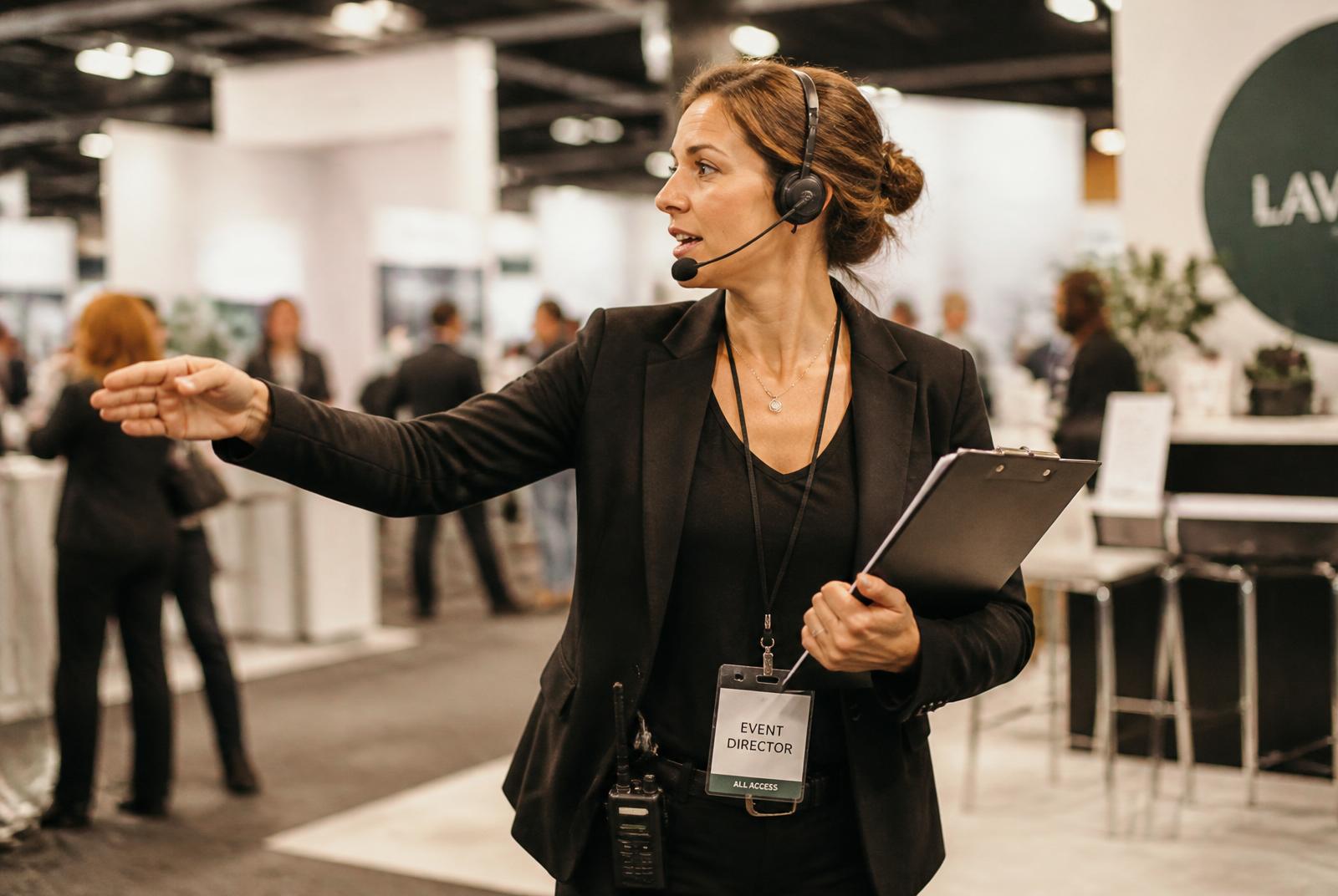
If you've spent any time in the events industry recently, you've probably heard people ask whether event planners are disappearing. I think they're asking the wrong question.
The role isn't disappearing. It's evolving.
The title "event planner" once accurately described much of what the profession required. We planned meetings. Coordinated vendors. Managed logistics. Built timelines. Solved problems. Delivered experiences. Those responsibilities still matter. They always will. But they're no longer enough.
Today's organizations expect something fundamentally different from the people leading events. They expect us to influence revenue. Support customer growth. Strengthen executive relationships. Adopt AI. Defend multimillion-dollar budgets. Advise leadership. Align with sales. Measure business impact. Lead cross-functional organizations.
In other words, they expect us to be business leaders. Who happen to specialize in experiences.
That's a very different role than the profession many of us entered years ago. And I believe it's one of the most exciting transformations our industry has ever experienced.
We've Outgrown the Title
Titles matter because they shape expectations. When someone hears the phrase event planner, what comes to mind? Someone organizing logistics. Managing registrations. Booking venues. Selecting menus. Coordinating speakers. Keeping everything on schedule.
None of those responsibilities are unimportant. But they're incomplete. They describe execution. Not leadership.
Imagine introducing a Chief Marketing Officer as someone who writes emails. Or describing a Chief Financial Officer as someone who pays invoices. Technically, those activities exist within their organizations. But they don't define the role.
The same is true for modern event leaders. The work has become far bigger than planning. Yet the language hasn't caught up.
Events Have Become Business Strategy
There was a time when events were often viewed as standalone marketing tactics. A trade show here. A conference there. An occasional customer dinner.
Today, experiences influence nearly every stage of the customer journey.
- They introduce prospects to your brand.
- Educate buyers.
- Accelerate pipeline.
- Build customer communities.
- Strengthen executive relationships.
- Support retention.
- Create advocacy.
- Launch products.
- Celebrate employees.
- Develop partners.
- Generate thought leadership.
- Shape company culture.
Very few functions touch so many parts of an organization. That's why event leadership has become increasingly strategic.
The work no longer begins with choosing a venue. It begins with understanding the business.
The Best Event Leaders Think Like Executives
One of the biggest shifts I've experienced throughout my own career wasn't learning how to produce larger conferences. It was learning how executives make decisions.
Executives rarely ask questions like: Which venue should we choose? Who should emcee the keynote? How many breakout sessions do we need?
Instead, they ask: Should we host this event at all? How does this investment support company strategy? What business outcome are we trying to achieve? Where should we allocate budget? What risks should we consider? How will we measure success?
Those questions require a completely different skill set. The event leader who can answer them becomes far more valuable than the one who simply executes the logistics.
Execution earns trust. Strategic thinking earns influence.
Logistics Will Always Matter
Whenever I talk about strategic leadership, someone inevitably assumes I'm dismissing execution. Nothing could be further from the truth.
Exceptional execution builds credibility. It creates confidence. It protects your reputation. It earns repeat opportunities. I've spent nearly two decades obsessing over details because details matter. Great hospitality lives in details. Attendee experience lives in details. Trust lives in details.
The difference is this: Execution has become the expectation. Not the differentiator. No executive promotes someone simply because registration opened on time. That's the baseline. Leaders advance because they improve businesses.
Execution gets you invited into the room. Strategic thinking earns you a permanent seat at the table.
The Skills That Matter Most Are Changing
If someone asked me today what skills I would prioritize for an aspiring event leader, my list would look very different than it did fifteen years ago. Of course they should understand event operations. But I'd spend even more time helping them develop:
- Business acumen.
- Financial literacy.
- Executive communication.
- Negotiation.
- Data storytelling.
- Change management.
- Stakeholder alignment.
- Organizational leadership.
- Customer strategy.
- AI literacy.
- Critical thinking.
- Decision-making.
Those are executive skills. And increasingly, they're event leadership skills too. The professionals who develop them will shape the future of our industry.
AI Isn't Replacing Us - It's Removing Our Excuses
Artificial intelligence has accelerated this transformation. Many of the repetitive administrative tasks that once consumed enormous amounts of time are becoming dramatically easier. Drafting communications. Summarizing meetings. Creating project plans. Analyzing feedback. Organizing documentation.
That doesn't eliminate event professionals. It eliminates work that never required our highest level of expertise in the first place.
Which creates an important question. If AI saves us ten hours each week…how will we use them? Will we simply plan more events? Or will we spend more time talking with customers, advising executives, mentoring teams, strengthening strategy, and improving experiences?
Technology is giving us an opportunity to elevate our role. Whether we take it is up to us.
Stop Waiting for Someone to Give You a Seat
One of the most common frustrations I hear from event professionals is this: "Leadership doesn't see us as strategic." Sometimes that's true. Sometimes we've unintentionally reinforced it ourselves.
If every conversation focuses exclusively on logistics, leadership will associate us with logistics. If every update revolves around timelines, leadership will think our value is timelines. If we only report attendance numbers, leadership will evaluate attendance numbers.
Organizations understand our value based on the conversations we lead. That means we have tremendous influence over how our profession is perceived. Start asking business questions. Talk about customer outcomes. Connect experiences to company objectives. Present recommendations - not just updates. Discuss investment decisions. Bring solutions instead of status reports.
Leadership begins long before someone changes your title.
One Conversation Changed My Perspective
Early in my career, I believed my job was to execute events flawlessly. If everything ran smoothly, I had succeeded. Then one executive asked me a question that completely changed how I viewed my role.
"How does this event help us achieve our business goals?" Not "How many people registered?" Not "Did production go well?" Not "Was everyone happy?" Business goals.
At first, I answered with event metrics. Attendance. Satisfaction. Budget. The executive listened politely. Then asked again. "Yes…but how does it help the business?"
That conversation stayed with me. Because I realized I had become incredibly good at measuring the event. I wasn't yet measuring the impact. From that point forward, I approached every experience differently. Not simply asking whether it would be well executed. Asking whether it deserved to exist in the first place.
That shift fundamentally changed my career.
The Profession Is Becoming More Valuable - Not Less
Despite all the discussion about automation and AI, I believe event leadership is becoming more important than ever. Organizations are investing heavily in customer communities. Executive engagement. Thought leadership. Partner ecosystems. Employee experiences. Brand differentiation.
Those investments require leaders who understand both business strategy and human connection. That's not a shrinking profession. That's an expanding one.
The opportunity has never been larger. The expectations have simply become higher.
This Is Why the S.A.S. Framework Matters
When I created the S.A.S. Framework, I wasn't trying to build another planning methodology. There are already countless planning processes. I wanted to create a leadership framework.
One that reminds event professionals that extraordinary experiences begin with Strategy, not logistics. That organizations succeed through Alignment, not isolated execution. That long-term growth requires Scale, not heroic effort.
Leadership isn't about becoming better at planning events. It's about becoming better at leading organizations through experiences.
The Event Planner Isn't Dying
The event planner isn't disappearing. The title simply no longer captures the value many professionals create.
We're advisors. Strategists. Experience designers. Business partners. Community builders. Customer advocates. Leaders.
Yes, we'll always plan. We'll always solve problems. We'll always manage details that most people never notice. Those responsibilities remain part of the profession. They just aren't the profession anymore.
The future belongs to people who understand that an event is never the end goal. It's one of the most powerful tools an organization has to strengthen relationships, influence decisions, and accelerate business growth. That's a much bigger job than planning an event. And it's a far more exciting one.
The death of the event planner isn't really about losing a profession. It's about finally recognizing what we've become all along: business leaders who create extraordinary experiences.
Continue Reading
More from Inside the S.A.S. Framework.
Honest reflections on the strategy, people, and decisions behind extraordinary events.